Lectures
Cosponsored by the Tang Center for East Asian Art
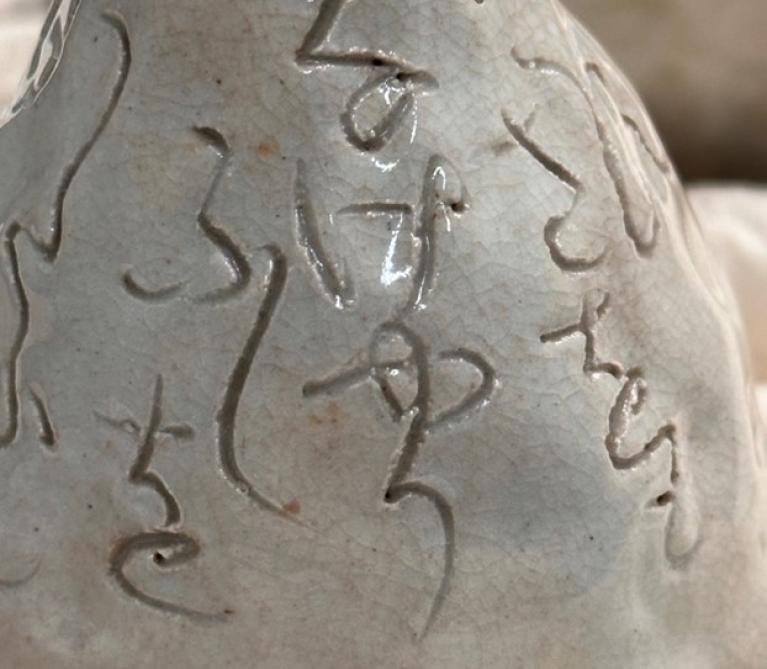
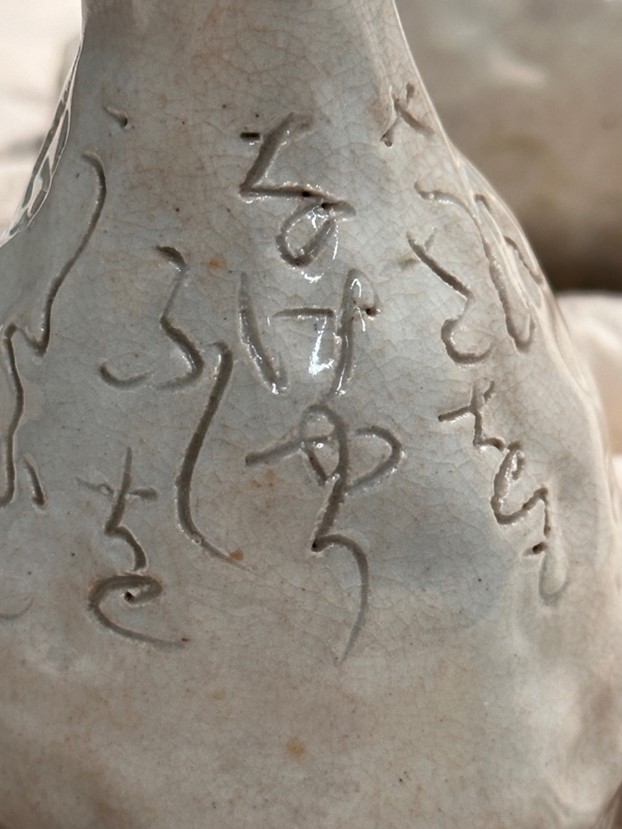
This talk develops a kinesthetic approach to the ceramic and poetic practice of the nineteenth-century Buddhist nun Ōtagaki Rengetsu (1791-1875). Inscribed with verse and formed by hand, Rengetsu’s vessels invite touch, rotation, and reading in motion, collapsing distinctions between art, craft, and literature. Their haptic immediacy transforms use into aesthetic experience, suggesting an embodied mode of perception that seemingly contradicts Buddhist ideals of immateriality, while grounded in gendered material practice. Her ceramics were in turn bound to economic conditions, allowing Rengetsu to embed ethical, affective, and even political meaning within marketable form. By placing her practice within broader discussions of haptic materiality and historical making, this paper opens onto histories and theories of art attentive to movement, touch, and embodied relation across time.