Lectures
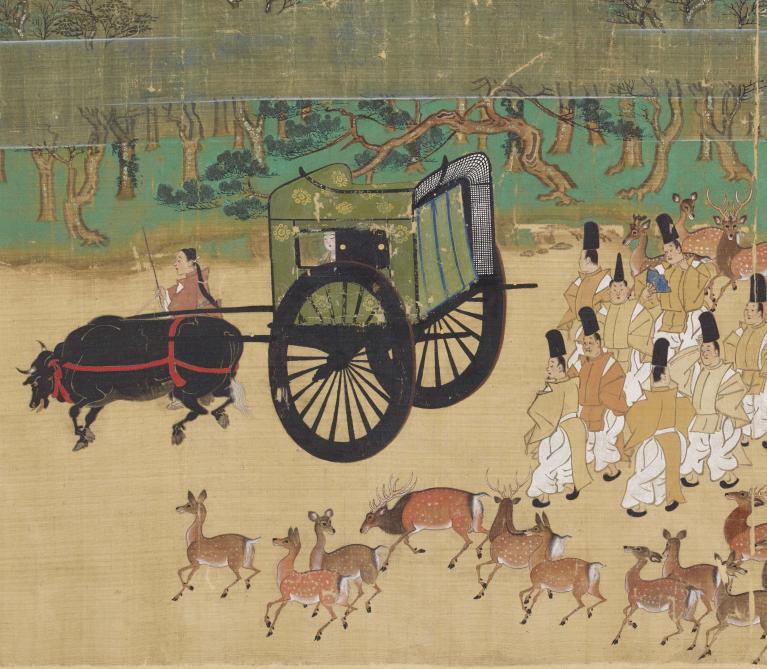
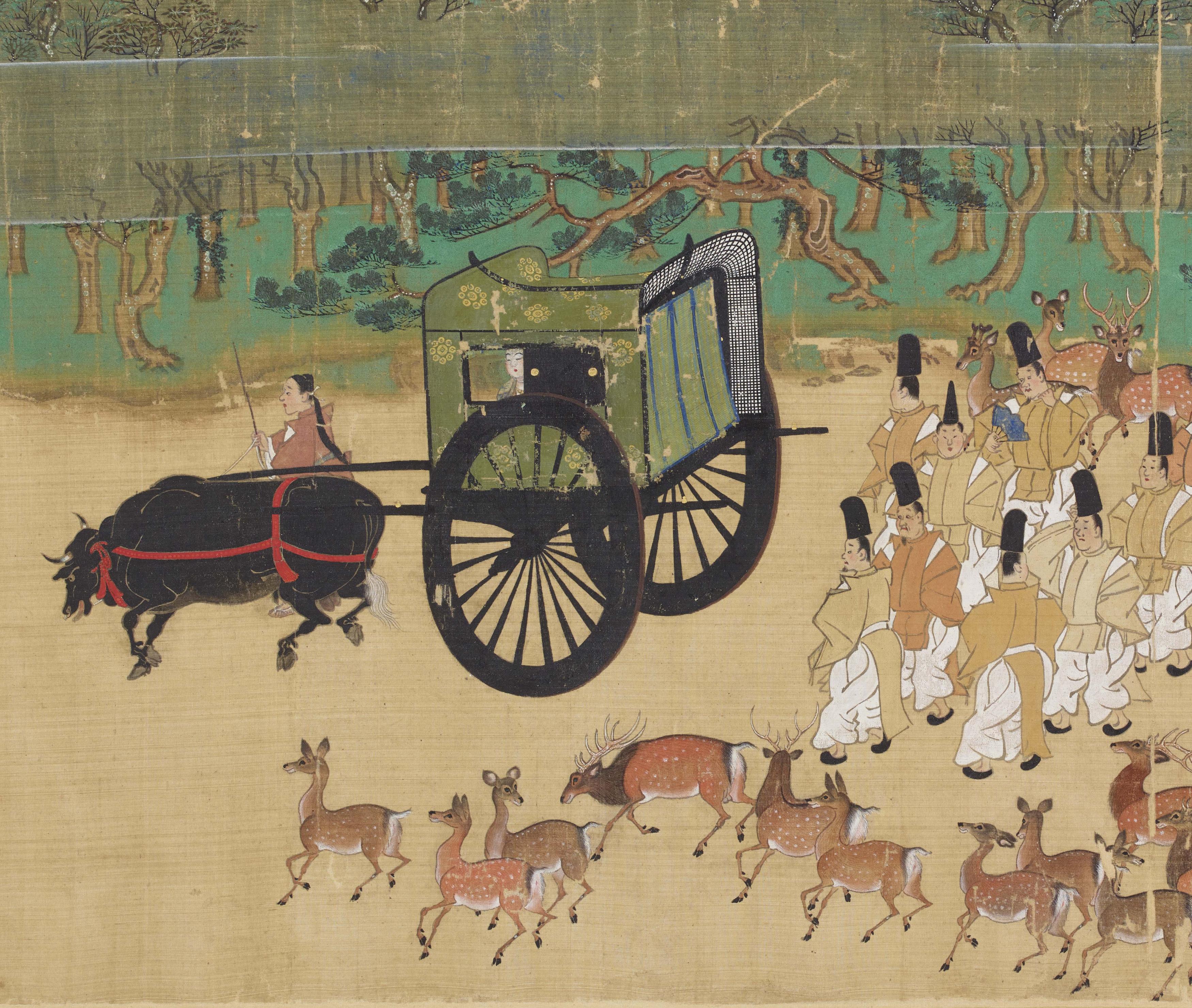
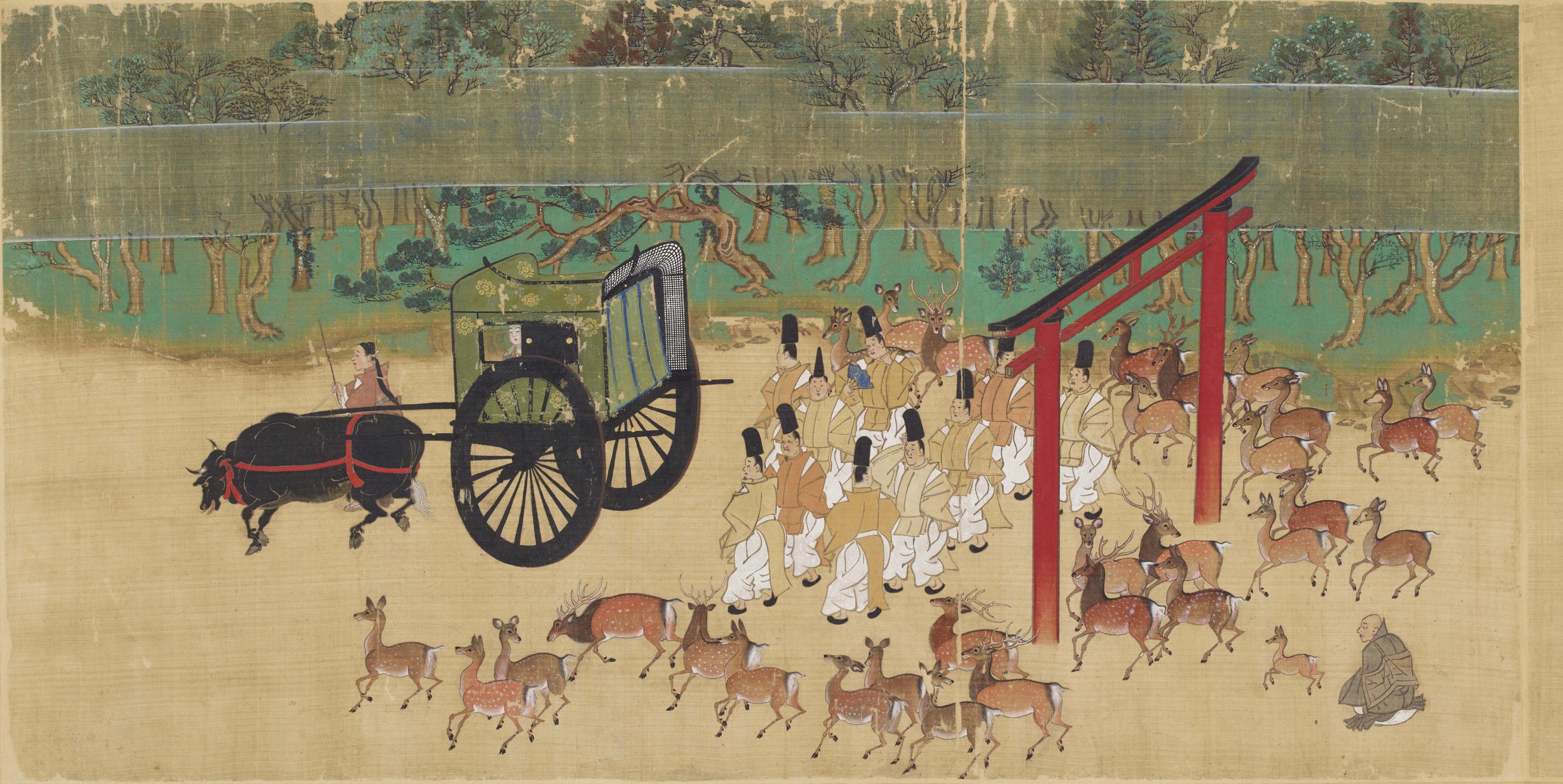
How did the most supremely powerful individuals in medieval Japan venerate, communicate, and even bargain with the buddhas and native gods in whose sometimes capricious hands even their fates were believed to ultimately lie? The Illustrated Handscroll of Miracles of the Kasuga Deity, a magnificent set of twenty illustrated handscrolls that now resides in the Museum of the Imperial Collections, Sannomaru Shozokan, uniquely encapsulates cultic beliefs and practices of critical importance to some of medieval Japan’s most influential political players. Its original far-reaching spiritual aura is well-matched today by its art historical renown. Commissioned in the early fourteenth century by Saionji Kinhira of the supremely powerful Fujiwara clan, it was donated to the Kasuga Shrine in Nara. Here it was regarded as a sacred scroll and shrine treasure of the highest order, never to be removed from the Shrine precincts. Completed around 1309, the scroll paintings were executed by the court painter Takashina Takakane, one of the earliest individually identifiable painters of Yamato-e (Japanese-style) painting, and are regarded as his most representative work. The calligraphers of the textual portions of the scroll are similarly pedigreed, consisting of four members of the Takatsukasa house of the Fujiwara clan. Together the many sections of calligraphed text and paintings relate various miracles performed by the deity of the Kasuga Shrine and their interactions with a number of historical persons, set in vivid local landscapes.
Although the scroll was donated to the Kasuga Shrine, the tutelary shrine of the Fujiwara clan and home to native Japanese deities (today referred to as “Shinto”), the editors and creative directors of the scroll were in fact Buddhist monks from neighboring Kōfukuji Temple. Among the miracles recounted in the handscroll are numerous wondrous and anomalous events connected to Buddhist scriptures, and especially to the Cheng weishi lun (Jp. Yuishikiron; Treatise on the Demonstration of Consciousness-Only), accorded central reverence among the Consciousness-Only School monks of Kōfukuji. The scroll, which is a designated National Treasure, has just undergone a multi-year conservation process. This talk presents the latest research on the scroll and its disclosure of multiple miracles performed by the Shrine deity from the stance of Buddhist cultic belief.