Lectures
(curator emeritus)
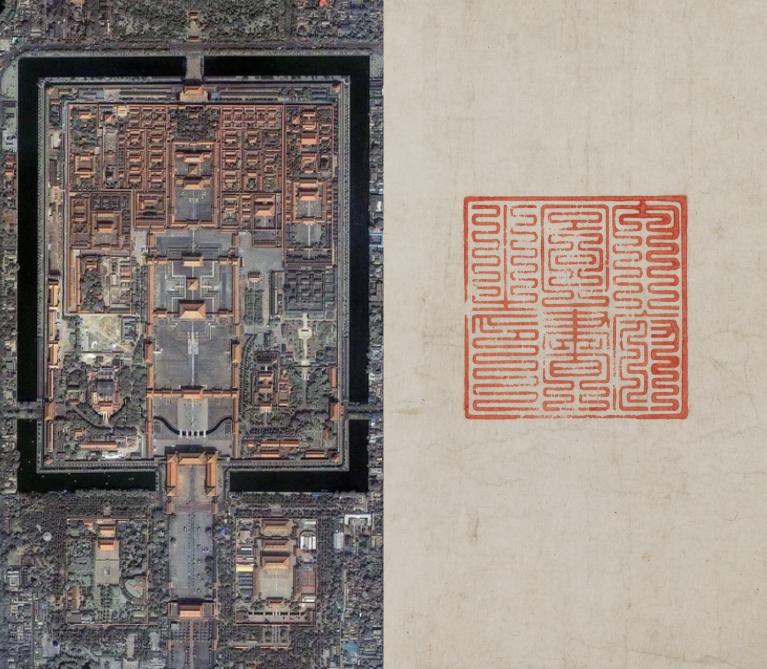
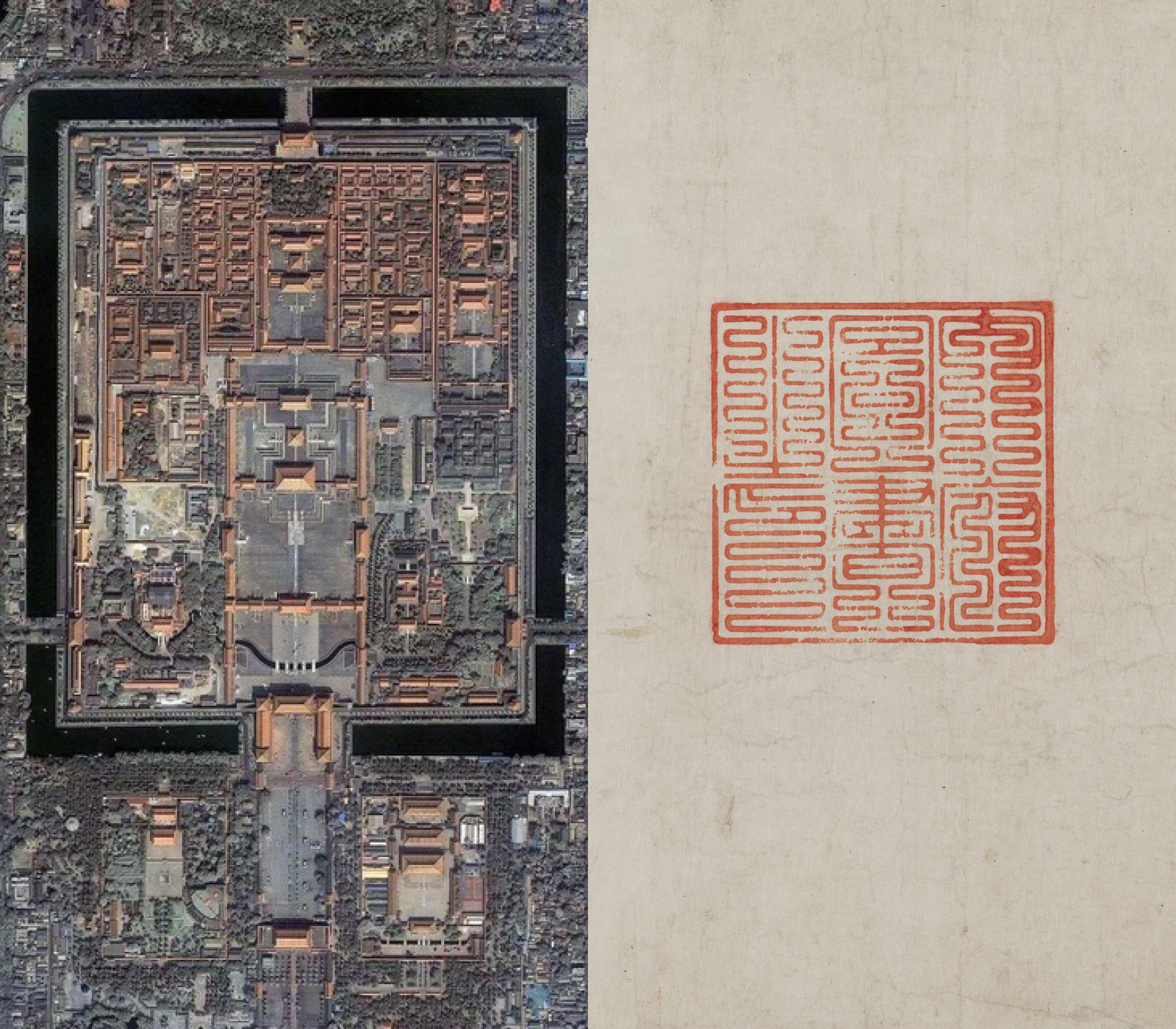
Viewed broadly as a means to give order to one’s surroundings and to shape one’s position in the world and cosmos, today “architecture” is usually considered in relation to space. The locus of living, however, takes place both in space and in time, and it is time and timeliness that early on were prioritized in the architectural process of building in China. By way of illustration, it is now common to think spatially and divide the circumference of the circle and globe geometrically into 360 degrees, yet for most of China’s imperial era spanning over two millennia, it was temporally graduated into 365.25 degrees, the approximate time in days for ‘the sun to circle the earth.’ Likewise, presently the practice of what is now generally termed fengshui風水 is closely linked to auspicious positioning in space, yet early on it was more strongly tied to time and timeliness rather than spatial siting. So, what does an architecture prioritizing time look like?
My ongoing research explores how since antiquity, time was manifested as position through the use of a gnomon to determine the central locality of both the royal dominion and time itself. This centrality also identified correlations between regions in the heavens with those on earth. Timely or untimely change in one realm was believed to find mutual reciprocity in its counterpart. It was the role of architectural builders and fengshui specialists—both sometimes dubbed “time masters” (shishi 時師)—to find the most timely or appropriate moment to act in order to foster the best potential for beneficial and successful change. Similarly, ritual texts, imperial calendars, and popular almanacs prescribed or proscribed particular building activities according to time and season. In fact, the entire process of building was regulated by the choice of auspicious times for action (coupled with favorable directions, measurements, and rites). The timing of each step individually, as well as all steps collectively, augured future potentiality. This fused process of (1) Sequence (step by step) and (2) Simultaneity (all at the same time) likens the building and its process to the stamping of a seal or sigil, a device held to have special auspicious, protective, and demonifugic potencies that can imprint identity, authenticity, and authority. A Chinese seal (yin 印) consists of individual components that can be read sequentially, yet, when stamped, its collective meaning or power can also be understood simultaneously. In this way, it may be said that the pattern of an imperial seal on a paper or silk document is analogous to the design of an imperial palace complex on the ground. This seal metaphor, moreover, may also serve as a model for the very shape of time.